26 November 2026
What to check before booking a Barcelona private tour guide
Presented by @barcelonaprivatetourguideworks
A private tour can make a city feel more manageable, especially in places where the best details sit just off the main route. Before booking a Barcelona private tour guide, look past the appealing description and check the practical points that shape the day. The aim is not to find a perfect plan on paper. It is to find a plan that fits your pace, interests, and limits once you are actually walking around the city.
Start with the route. A good itinerary should name the areas or landmarks in clear terms, not just promise "the highlights". If Sagrada Familia matters to you, check whether the visit is only from outside or includes entry. If the Gothic Quarter is on the list, ask how much time is spent there and whether the route includes narrow lanes, steps, or long stretches on foot. Park Güell and Montjuïc hill each add a different rhythm to the day, so they should not be squeezed in as vague add-ons. A plan that looks busy on a map may feel rushed in real life.
Another early check is the balance between structure and flexibility. Some visitors want a set route with clear timing. Others prefer room to linger at a viewpoint, change direction after lunch, or spend longer in a museum. Ask what can be adjusted on the day and what is fixed. A customized itinerary sounds useful, but it only helps if the details are discussed before booking rather than treated as a vague promise. Share the must-sees, the things you want to avoid, and your preferred pace. If those points are ignored, the tour may not feel private in any meaningful sense.
When comparing options, it can help to keep notes in one place, such as a short list of questions, your preferred meeting area, and any mobility needs. Sites like privatetourinbarcelona.com can be one reference point while you compare what is included and what remains unclear. Do not rely on the word private alone. Check how the tour is described, who is expected to take part, and whether the experience is designed for a small group size or a more personal arrangement. The difference matters when you want space to ask questions, move at your own pace, or keep the day quiet and focused.
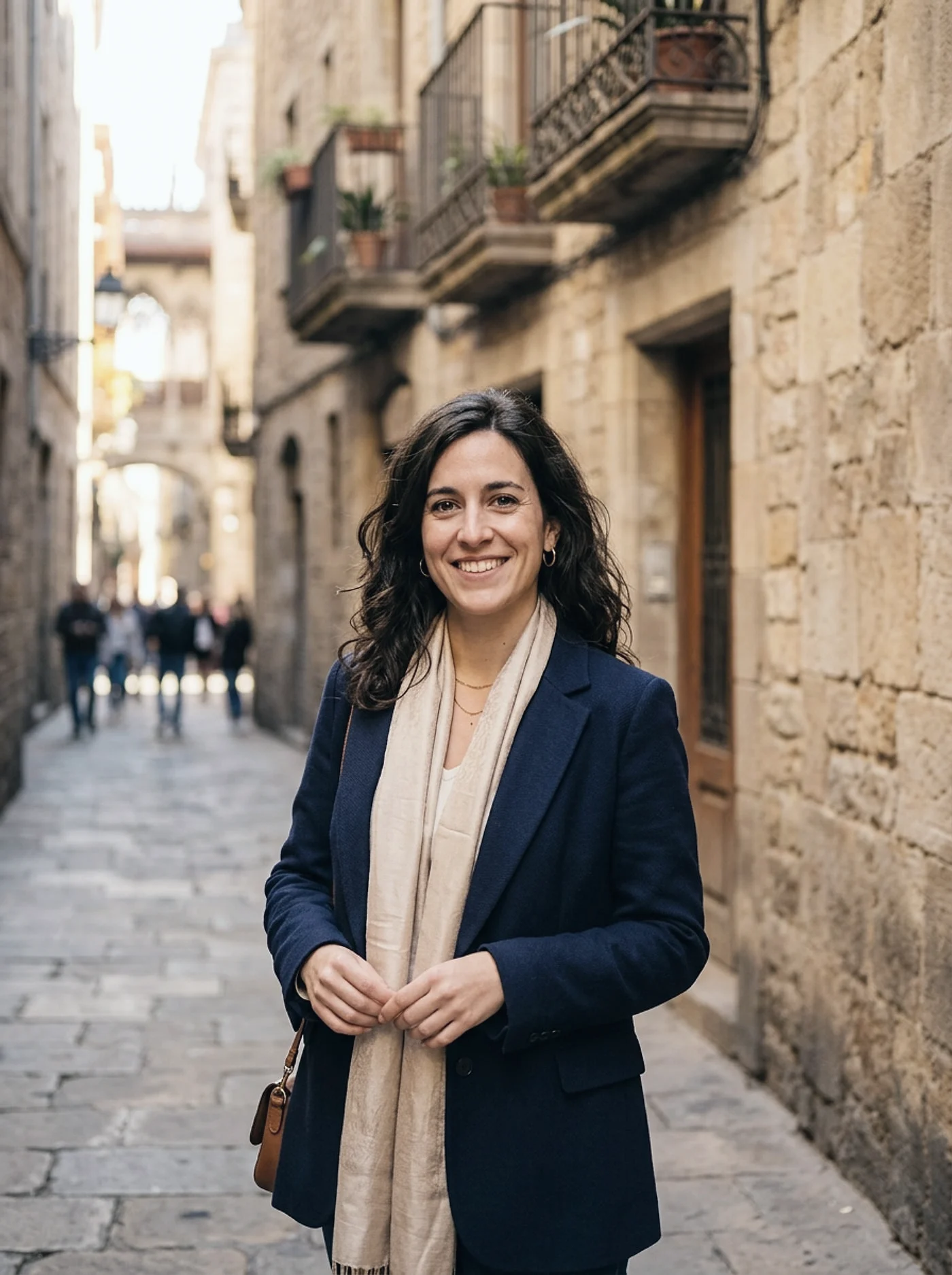
Points worth checking before you commit
- Language and communication. Confirm the language of the tour and how comfortably questions are handled. A guide may know the city well, but the visit only works if explanations are easy to follow.
- Start point and ending point. Check where the tour begins and where it finishes. A central start may sound convenient, yet a long walk back after a full day can be tiring.
- Timing and breaks. Ask about the length of the tour and where pauses are built in. Walking through Barcelona in warm weather takes more energy than many visitors expect.
- Entry arrangements. If the plan includes paid sites, check what is included and what you need to arrange separately. Terms like skip-the-line access can mean different things, so ask for plain wording.
- Food and tasting stops. If wine tasting or a meal is part of the day, check whether it is a short stop or a proper booking, and whether dietary needs can be discussed in advance.
Match the tour to the way you travel
Think about the shape of your whole trip, not just the tour itself. A first visit may call for a broad introduction, with enough context to make the architecture and neighbourhoods easier to understand. A return visit may be better with a tighter theme, such as modernist buildings, old streets, viewpoints, or food. The same city can feel very different depending on the angle.
Physical demands deserve honest attention. Barcelona rewards walking, but that can mean cobbled streets, uneven paving, stairs, and crowded paths near popular sights. If anyone in your group needs a slower pace or fewer steps, say so before the plan is settled. Ask how the route handles hills, public transport, and rest stops. A tour that includes Montjuïc hill may involve more climbing or a longer transfer than a route focused on the old city. This is not about making the day less interesting. It is about avoiding a plan that wears people out.
Group size also changes the feel of the day. A smaller arrangement usually makes it easier to ask follow-up questions and pause without feeling rushed. It may also require more planning around timing and meeting points. Larger groups can feel lively, but they can make it harder to hear in busy areas or stop for a closer look. Decide what you prefer before comparing itineraries, since a beautiful route can still feel wrong if the format does not suit you.
Private do not automatically mean fully tailored. Some tours are private in the sense that your group has the guide to itself, while the route remains fixed. Others build the day around your interests. Both can work well. The key is knowing which one you are booking. Ask for a sample route and then ask what changes are realistic. If the answer is vague, treat the flexibility as limited.
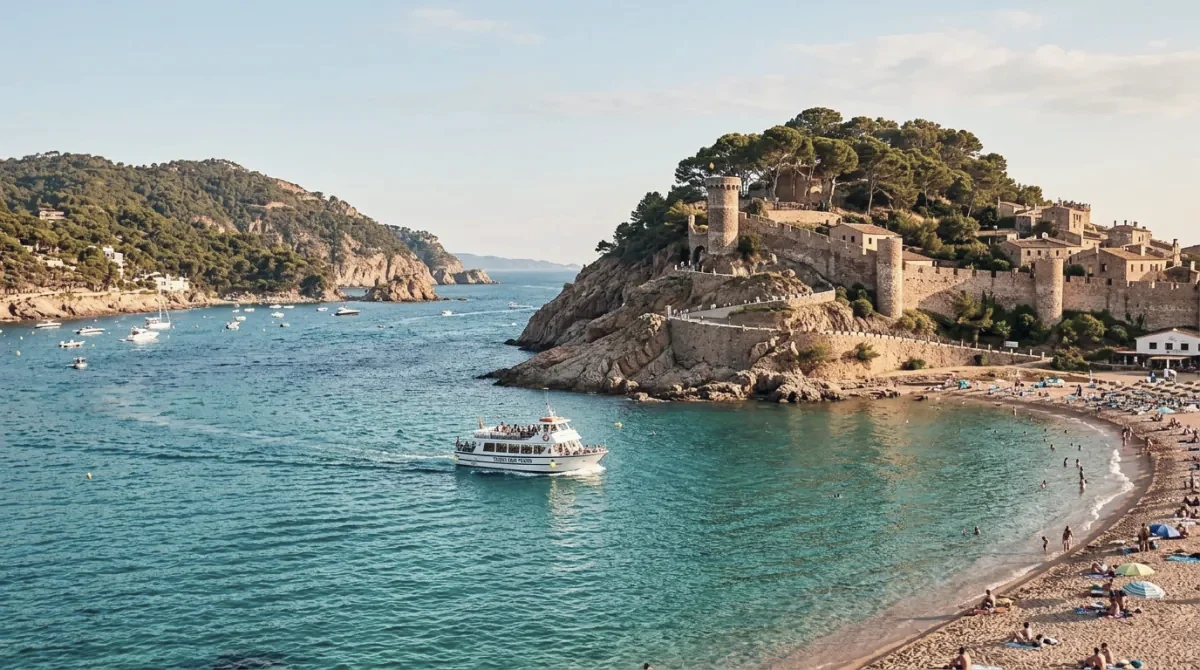
It is also wise to check how the guide handles crowded areas. Popular places can be busy, and a route that depends on standing in one spot for a long explanation may become awkward. A thoughtful plan uses short stops, clear meeting points, and alternatives when a street or viewpoint is packed. That kind of detail does not need to dominate the conversation, but it shows that the day has been considered beyond the map.
Questions that reveal the real quality of a plan
Good questions tend to be simple ones. What happens if a site is closed? Is there a plan for bad weather? How much of the route is outdoors? Are entrance tickets, transport, and tasting stops included or separate? What is the cancellation rule? These questions may feel practical rather than exciting, yet they prevent most of the disappointment that comes from mismatched expectations.
Pay attention to how specific the answers are. Clear replies usually mention exact meeting places, realistic timings, and the order of stops. Broad claims about an unforgettable day are less useful than a plain explanation of how the morning and afternoon fit together. If a guide suggests changing the order to avoid busy periods or to keep walking manageable, that can be a good sign. Local knowledge often shows up in these small adjustments.
Value is more than the length of the tour. A shorter visit with strong context and comfortable pacing may be better than a packed day that leaves no room to absorb anything. Think about what you want to remember. If it is architecture, allow time to look up and study details. If it is food, allow time to sit and talk. If it is neighbourhood atmosphere, avoid a route that treats every street as a box to tick. The best plan leaves space for the city to make an impression.
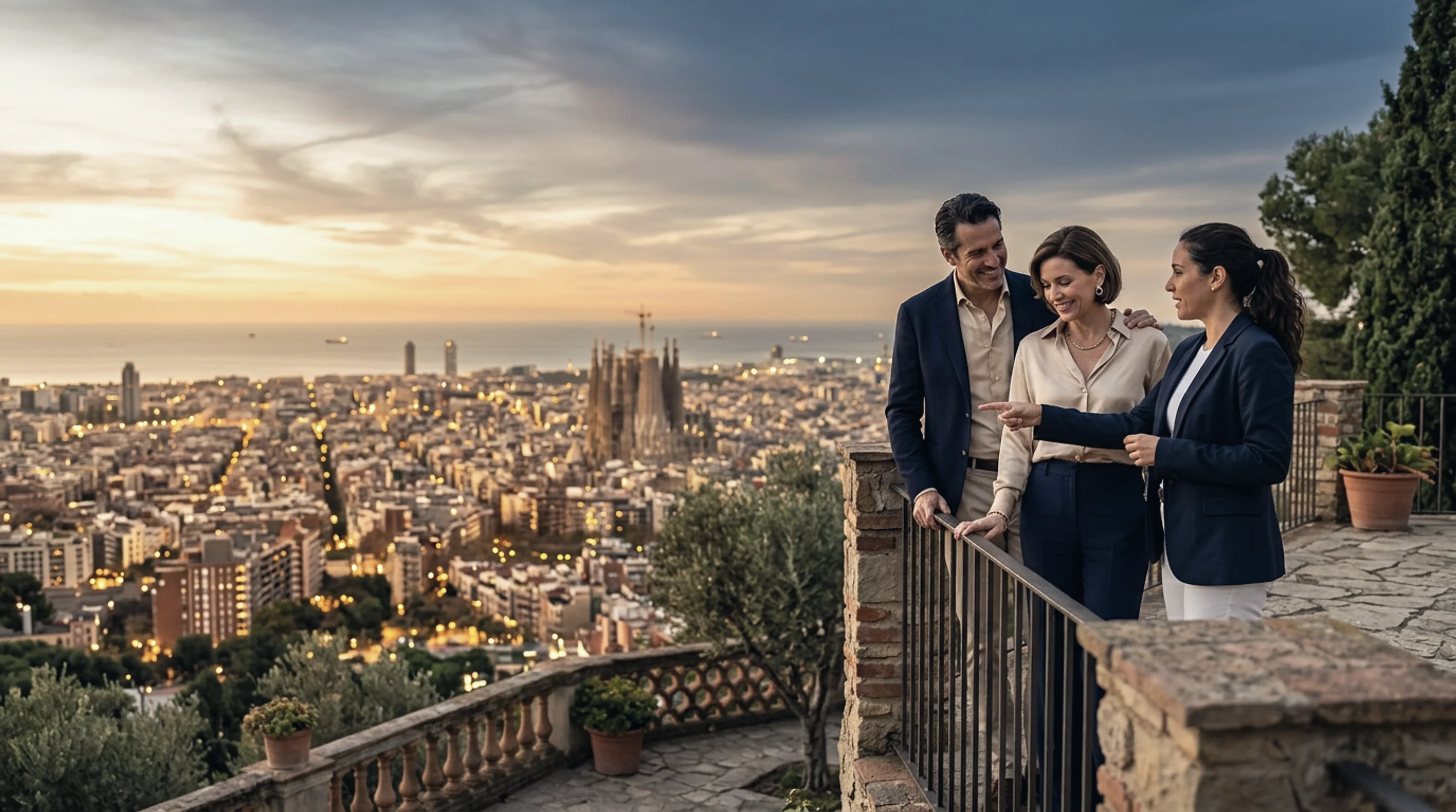
Before making a final choice, read the description as if you were checking a contract. Note the included stops, the excluded costs, the meeting details, and the level of customization. Then compare those notes with your own priorities. A Barcelona private tour guide can be useful when the day is built around clear interests, honest pacing, and practical details. When those pieces are missing, even famous landmarks can feel like a rushed sequence of names.
Keep the choice grounded. Pick the option that answers your questions directly, respects the limits of your group, and gives you a route you can picture from start to finish. That is a stronger basis than vague promises or a long list of sights. A well-matched tour should leave you with a clearer sense of Barcelona, not just a fuller camera roll.